3
Degrees of Freedom
MR-Safe
by design
100%
3D-Printable
Force Feedback for MRI-Guided Robotics
MRI-guided robotic systems have the potential to improve minimally invasive procedures such as biopsies, but current systems remain limited by a lack of feedback. During needle insertion, interaction forces between the needle and surrounding tissue influence positioning accuracy, safety, and reliability. Because MRI environments prohibit the use of most conventional sensing technologies, there is a need for force sensors that are both MR-safe and practical to integrate into robotic systems.
The goal for this project was to pioneer this new domain of technology and explore different MR-safe sensing approaches.

Figure 1 — MAMRI, a MRI-guided Robotic System
Designing MR-Safe Sensor Concepts
Two sensing principles were developed and evaluated. Both were explored and compared through a 1 DoF proof-of-concept, which was later further developed into a 3 DoF prototype. The two concepts are:
- ATLAS Estimates force through the deformation of 3D-printed compliant mechanisms. With Hooke's Law as working principle the deformation of PLA-CF springs is measured and used to estimate force.
- AEOLUS Modulates airflow inside a pneumatic chamber through external force. It mechanically binds force to pneumatic airflow to estimate force through airflow.
A dedicated validation framework was created to apply controlled forces and torques, enabling objective comparison between concepts. After validating single-degree-of-freedom prototypes, both sensing methods were expanded into three-degree-of-freedom designs capable of measuring axial force and needle torques relevant to MRI-guided biopsies.
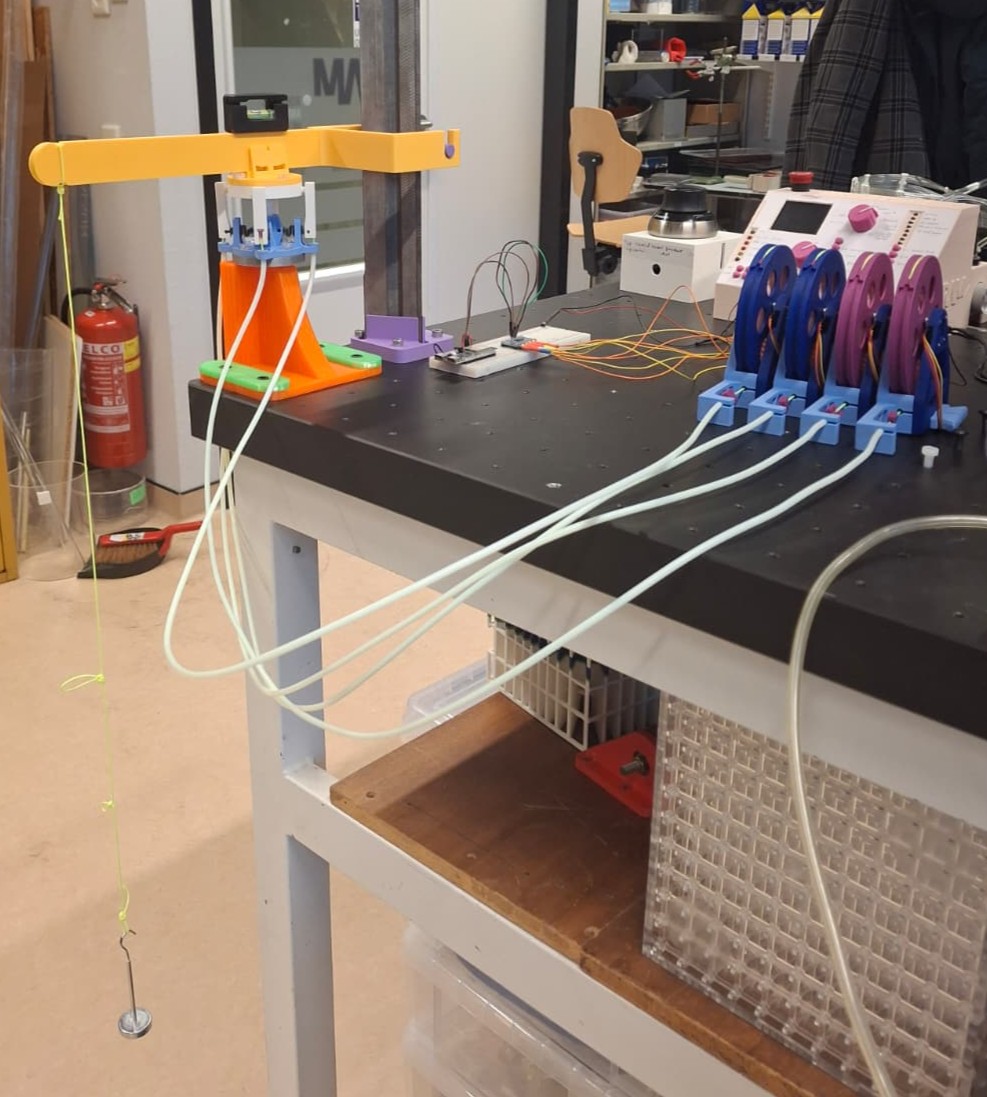
Figure 2 — Caption describing what is shown.
A Functional 3-DoF Force Sensor
The ATLAS concept proved to be the most successful solution. The final 3-DoF prototype measured axial force up to 22.5 N and torques up to 0.45 Nm with an accuracy of 1 N. Integration tests on the MAMRI robotic arm demonstrated real-time force feedback and meaningful detection of tissue interaction.
The AEOLUS concept also showed promise with the 1-DoF proof-of-concept, however when scaled down to a 3-DoF iteration revealed scaling issues. When solved the benefit of this concept is that it leverages pneumatic infrastructure on pneumatically actuated systems, which includes most MRI-guided systems.

Figure 3 — ATLAS 3-DoF prototype integrated.
Towards Smarter MRI-Guided Interventions
This project demonstrates that MR-safe force sensing can be achieved using simple, low-cost, and largely 3D-printable designs. The developed ATLAS sensor provides a strong foundation for future MRI-guided robotic systems by introducing force feedback at the point of tissue interaction. Future work should focus on reducing mechanical hysteresis and iterating to different applications. Ultimately, force feedback has the potential to improve safety, spatial awareness, and reliability during MRI-guided robotics procedures.
MR-safe 3D-printable force sensors
Veldwachter2026msc.pdf